Hue Festival 2026: Time-Traveling to Vietnam's Imperial Heart!
Step back in time to Vietnam's former imperial capital as the 2026 Hue Festival invites you on a year-long journey through royal traditions, vibrant arts, and the enduring legacy of the Nguyen Dynasty.
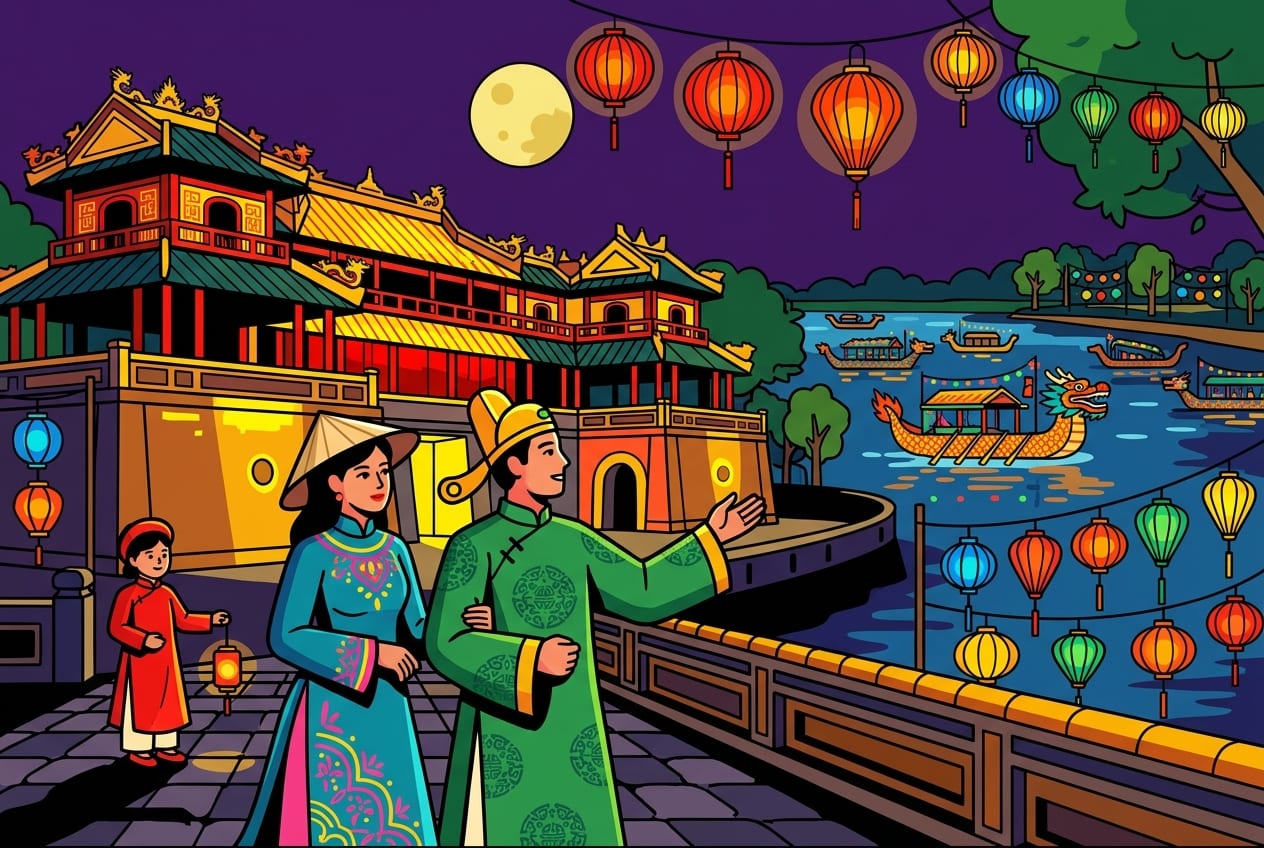
Imagine a city where ancient emperors once walked, where royal music filled grand palaces, and where every street corner whispers tales of a glorious past. Now, imagine that city coming alive with a year-long celebration, inviting you to not just observe, but to truly immerse yourself in Vietnam’s imperial heart. That, my friend, is the magic of the 2026 Hue Festival, transforming the former capital into a living, breathing museum of culture and heritage.
Hue, often called Vietnam’s heritage capital, is gearing up for an unforgettable year. The festival isn't just a collection of events; it’s a profound reaffirmation of identity for locals and an unparalleled opportunity for travelers to witness traditions that have shaped a nation. From the majestic Imperial Citadel to the serene Perfume River, every corner of Hue will pulse with the spirit of the Nguyen Dynasty, inviting you to be part of its enduring legacy.
Why Hue Festival Isn't Just Another Event – It's a Time Machine
The Hue Festival is a year-long cultural celebration in Vietnam's former imperial capital, offering a deep dive into the nation's rich heritage. While events span all four seasons, the highlight is the International Arts Festival Week, scheduled from June 13th to June 18th, 2026, transforming the city into a vibrant tapestry of tradition and art.
For the people of Hue, this festival is more than just a tourist attraction; it’s a vibrant tapestry woven from generations of history. It's their chance to revive and showcase royal arts, such as the UNESCO-recognized Nhã nhạc royal court music, and ancient ceremonies like the Ban Soc Ceremony, which once marked the new lunar calendar for the imperial court. When you see these performances, you're not just watching a show; you're witnessing the soul of a people, their pride in their ancestors, and their dedication to preserving a unique cultural identity.
A Year-Long Celebration, But Don't Miss the Main Show!
While the Hue Festival unfolds throughout 2026 with various seasonal events, the peak experience is the International Arts Festival Week, running from June 13th to June 18th. This concentrated period features the most elaborate performances, ceremonies, and artistic displays, attracting the largest crowds and offering the deepest immersion into imperial culture.
The 2026 Hue Festival theme, "Cultural Heritage with Integration and Development," perfectly encapsulates this spirit. It's about honoring the past while embracing the future. So, while you can enjoy festival-related activities throughout the year, mark June 13th to June 18th, 2026, on your calendar. This is when the city truly explodes with energy, color, and unparalleled cultural performances. Key locations like the majestic Imperial Citadel, An Dinh Palace, and various community stages will be buzzing, with the Perfume River serving as a central artery for grand processions and mesmerizing boat performances.
Stepping into the Royal Court: What You'll See and Hear
The Hue Festival brings Vietnam's imperial past to life through grand spectacles and intimate cultural performances. Visitors can witness UNESCO-recognized royal court music, elaborate ceremonies like the Ban Soc, and stunning displays of traditional arts, primarily staged within the majestic Imperial Citadel, An Dinh Palace, and along the Perfume River.
Prepare to be dazzled by a visual spectacle unlike any other. The dominant colors of the festival are the imperial yellow and deep reds of royal regalia, contrasting beautifully with the vibrant blues, greens, and pinks of traditional áo dài worn by performers and attendees. You'll see rich brocades and silks, ornate palanquins, and intricate lanterns adorning streets and floating gracefully on the Perfume River. Dragon motifs, symbols of imperial power, will be everywhere, adding to the grandeur.
The Imperial Citadel, once the exclusive domain of emperors, transforms into an "Enchanting Imperial Palace" at night, illuminated with shimmering lights and projections. The serene Perfume River becomes a stage for breathtaking boat parades and light shows. It’s a sensory feast that transports you straight into the heart of the Nguyen Dynasty. You'll hear the hauntingly beautiful melodies of Nhã nhạc, performed on traditional instruments like the đàn tranh (zither) and gongs, a sound that has echoed through these halls for centuries. You can learn more about the significance of this unique art form on UNESCO's official website.
When attending these events, especially those within the Citadel or pagodas, remember that subtle social rules and etiquette are paramount. Vietnamese culture places a high value on respect, particularly in historical or religious settings. Dressing modestly, covering your shoulders and knees, and maintaining a respectful demeanor during rituals and performances are not just suggestions; they are ways to show you appreciate the deep cultural significance of what you are witnessing. Silencing your phone and remaining still during sacred moments is a small gesture that goes a long way. If you want to understand more about the nuances of Vietnamese social interactions, you might find our post on why the "Vietnamese Smile" is helpful for interactions insightful.
Do
- Dress modestly (shoulders and knees covered) when visiting pagodas, temples, or the Imperial Citadel.
- Maintain a quiet and respectful demeanor during performances and ceremonies.
- Ask for permission before taking photos of people, especially performers or artisans.
- Offer a polite "xin chào" (hello) when greeting locals or vendors.
- Remove your shoes before entering someone's home or a temple.
Don't
- Interrupt rituals or performances by talking loudly or moving around excessively.
- Point your feet directly at people or religious altars.
- Wear revealing clothing in sacred or traditional sites.
- Take photos of locals without asking, as it can be seen as disrespectful.
- Touch someone's head, as it's considered the most sacred part of the body.
Beyond the Citadel Walls: Exploring Hue's Enduring Charms
While the main festival events captivate, Hue offers a wealth of historical and cultural attractions that complement the experience. Visitors can explore ancient pagodas, elaborate royal tombs, and bustling local markets, each providing further insight into the city's unique blend of imperial grandeur and everyday Vietnamese life.
Your Hue adventure shouldn't stop at the festival grounds. The city itself is a treasure trove of history. Make sure to visit the iconic Thien Mu Pagoda, a seven-story pagoda overlooking the Perfume River, steeped in legends and spiritual significance. It's a peaceful escape and offers stunning views, especially at sunset.
The Majestic Royal Tombs: A Journey Through Nguyen Dynasty History
Hue is home to several magnificent royal tombs, each a unique architectural masterpiece reflecting the personality and reign of the Nguyen emperors. Key sites like the tombs of Minh Mang, Khai Dinh, and Tu Duc offer serene landscapes, intricate carvings, and profound insights into Vietnam's imperial funerary traditions and artistry.
No trip to Hue is complete without exploring the royal tombs of Minh Mang, Khai Dinh, and Tu Duc. Each tomb is an architectural marvel, reflecting the personality and reign of its emperor. They are not just burial sites but sprawling complexes of temples, pavilions, and lakes, designed to be harmonious with nature. These sites offer a glimpse into the elaborate funeral rites and spiritual beliefs of the Nguyen Dynasty, which ruled Vietnam from 1802 to 1945. You can learn more about this fascinating period of Vietnamese history on Britannica's page on the Nguyen Dynasty.
And for a taste of local life, dive into the bustling Dong Ba Market. This vibrant hub is where locals shop for everything from fresh produce and spices to traditional handicrafts and souvenirs. It’s a fantastic place to try authentic Hue street food, practice your Vietnamese phrases, and soak in the everyday rhythm of the city away from the imperial grandeur.
Your Survival Guide: Practical Tips for a Smooth Festival Experience
Navigating the Hue Festival requires practical planning to ensure a smooth and enjoyable trip. Key considerations include booking accommodation and transport well in advance due to high demand, understanding local currency and payment methods, and preparing for the tropical climate with appropriate clothing and rain gear.
With hundreds of thousands of visitors expected for the 2026 Hue Festival, smart planning is your best friend. Don't wait until the last minute for bookings; you’ll thank yourself later! This is especially true for the International Arts Festival Week in June.
Booking Smart: Accommodation & Transport to Hue
Securing your stay and travel to Hue early is crucial for the 2026 festival, as the city expects hundreds of thousands of visitors. Direct flights to Phu Bai International Airport (HUI) are convenient, or flying into Da Nang (DAD) offers an alternative with a scenic two-hour transfer. Accommodation options cater to all budgets, from hostels to luxury riverside hotels.
You have a couple of options for getting to Hue. Direct flights to Phu Bai International Airport (HUI) are the most straightforward. Alternatively, you can fly into Da Nang International Airport (DAD), which often has more international connections, and then enjoy a scenic two-hour transfer to Hue by car, bus, or train. For accommodation, Hue offers a wide range of choices, from budget-friendly hostels (around $10-25 USD per night) to comfortable mid-range riverside stays and luxurious hotels. Remember, the early bird catches the best room!
Getting Around Hue: Boats, Bikes, and Beating the Traffic
Within Hue, diverse transportation options make exploring easy and enjoyable. River boats are ideal for Perfume River events, while taxis and ride-hailing apps provide convenience. For a more immersive experience, renting bicycles or motorbikes offers flexibility to navigate the city's streets and discover hidden gems at your own pace.
Once you're in Hue, getting around is relatively easy. For events on the Perfume River, river boats are not just transport but part of the experience. Taxis and ride-hailing apps like Grab are readily available and convenient. If you’re feeling adventurous, renting a bicycle or motorbike (around $5-15 USD/day) is a fantastic way to explore at your own pace, giving you the freedom to discover hidden alleys and local eateries. Just be mindful of local traffic! If you're new to navigating Vietnamese cities, our guide on understanding Vietnamese transit might be helpful.
What to Pack: Weathering Hue's Tropical Charm
Hue's climate in late spring and early summer is typically warm and humid, with average temperatures between 22-27°C, making light, breathable clothing essential. However, sudden tropical showers are common, especially in June, so packing rain gear like a light jacket or umbrella is highly recommended to stay comfortable.
Hue in late spring and early summer (June) is warm and humid, with average temperatures ranging from 22-27°C. Pack light, breathable clothing – cottons and linens are your best friends. But here's a local tip: tropical showers can appear out of nowhere, especially in late June. So, always carry a light rain jacket or an umbrella. And don't forget comfortable walking shoes, as you'll be doing a lot of exploring!
Finally, while larger establishments accept cards, many street food vendors, local shops, and market stalls operate purely on cash. Always carry sufficient Vietnamese Dong (VND) for these smaller purchases and spontaneous souvenirs. You can find more general travel advice for Vietnam on the Vietnam National Administration of Tourism website.
Speaking the Local Language: A Few Phrases Go a Long Way
Learning a few basic Vietnamese phrases can significantly enhance your Hue Festival experience, demonstrating respect and fostering warmer interactions with locals. Simple greetings and polite requests show appreciation for the culture and can often lead to more authentic and memorable encounters.
While many people in tourist areas might speak some English, making an effort to use a few Vietnamese phrases is always appreciated. It shows respect for the local culture and can open doors to more genuine interactions. Even a simple "Xin chào" (hello) with a smile can make a big difference, especially when interacting with artisans, vendors, or just people you meet on the street.
The 2026 Hue Festival promises to be a journey not just through a city, but through time itself. It’s an invitation to connect with Vietnam's imperial past, witness its vibrant present, and create memories that will last a lifetime. So, start planning, pack your bags, and get ready to be enchanted by the heart of Vietnam’s heritage!
When is the best time to visit the Hue Festival in 2026?
While the Hue Festival runs throughout 2026 with various seasonal events, the absolute best time to experience the main highlights is during the International Arts Festival Week, scheduled from June 13th to June 18th, 2026. This period features the most concentrated and elaborate performances, ceremonies, and cultural displays.
What should I wear when visiting the Imperial Citadel or pagodas during the festival?
When visiting sacred sites like the Imperial Citadel, temples, or pagodas, it is essential to dress modestly out of respect. This means covering your shoulders and knees. Light, breathable clothing made of cotton or linen is recommended for comfort in Hue's warm and humid climate, but ensure it meets the modesty requirements.
Is it better to carry cash or use cards at the Hue Festival?
It is highly recommended to carry sufficient Vietnamese Dong (VND) cash. While larger hotels and restaurants may accept credit cards, many street food vendors, market stalls, and smaller shops, especially within the festival areas, will only accept cash. Having cash ensures you can fully enjoy all the local offerings and spontaneous purchases.
Hear these phrases
Each one is recorded in both the northern and southern accent.
Topics
Read more
Other posts from our Vietnamese learning blog.
By Xinchao team
Entering the Red Kingdom: An Expat's Guide to Navigating Vĩnh Long’s Majestic Mang Thít Brick Kilns
Discover the majestic Mang Thít brick kilns of Vĩnh Long. This comprehensive expat guide covers boat tours, scooter routes, local etiquette, and the rich cultural history of the Mekong Delta's 'Red Kingdom'.
By Xinchao team
Alleyway Symphonies: Can You Decode Vietnam's Hilarious Street Vendor Cries?
What are those loud megaphone sounds in Vietnam's alleys? Learn to decode Vietnamese street vendor cries (tiếng rao) and order food like a local expat.
By Xinchao team
Duck! Your Expat Survival Guide to Catching Flying Rice at Vietnam's Chaotic 'Cơm Niêu Đập' Restaurants
Ready for dinner and a show? Discover how to navigate Vietnam's chaotic flying clay pot rice restaurants without taking a crispy projectile to the face.