Tired of Tourist Traps? Why Your Soul Needs a Vietnamese Farm Stay, Now!
Escape the usual tourist path! Discover Vietnam's authentic farm stays for a unique cultural immersion. Connect with local families, learn farming traditions, and savor farm-to-table food.
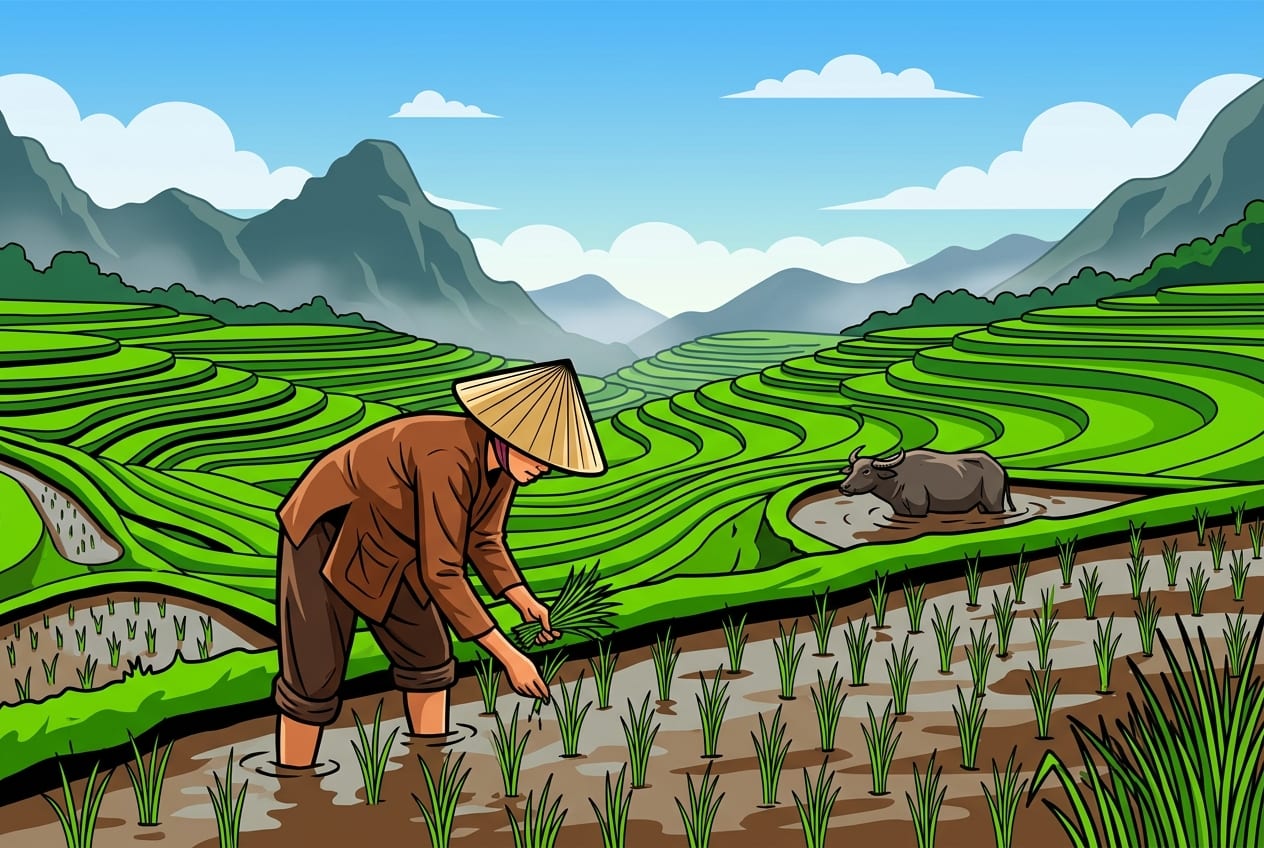
Beyond the Bustle: Why Vietnamese Farm Stays Are Your Next Big Adventure
Imagine waking up to the gentle chirping of birds, not city traffic. The air smells fresh, of damp earth and green leaves. Outside your window, emerald rice paddies stretch to meet misty mountains, and a farmer in a conical hat is already tending to the fields. This isn't a dream; it's the everyday reality of a Vietnamese farm stay, and it's fast becoming the travel experience everyone is talking about. While bustling cities like Hanoi and Ho Chi Minh City offer their own vibrant charms, more and more travelers are seeking a deeper connection to Vietnam's heart – its serene countryside and the warm, hardworking people who call it home.
Farm stays offer a unique window into authentic Vietnamese life, moving beyond typical tourist routes to connect you with the nation's rich agricultural heritage. These aren't just places to sleep; they are immersive cultural experiences where you can participate in daily farming, share homemade meals, and truly understand the rhythm of rural life. It's about slowing down, getting your hands a little dirty, and creating memories that go far beyond a postcard. Ready to trade concrete jungles for rice paddies? Let's dive in.
What's a Farm Stay, Anyway? More Than Just a Bed!
A Vietnamese farm stay is an accommodation option that places you directly within a working farm environment, often family-run, allowing guests to experience rural life firsthand. It's a chance to actively engage in daily farming activities and share in the host family's traditions and meals, offering a profound cultural immersion beyond conventional tourism.
Forget sterile hotel rooms. A farm stay in Vietnam is about authentic connection. You're not just a guest; you're often welcomed like a temporary family member. This means your 'room' might be a simple, comfortable space in a traditional house, perhaps built on stilts, offering stunning views of the surrounding fields. The real magic happens outside your door, where daily life unfolds.
The core of a farm stay is participation. You'll have the chance to roll up your sleeves and join in activities that are the lifeblood of rural communities. This isn't forced labor; it's an invitation to learn and understand. Imagine:
- Plowing with a Buffalo: Yes, you might get to walk alongside a water buffalo, guiding it as it prepares the paddy for planting. It's an ancient technique, and feeling the power of these gentle giants is unforgettable.
- Planting Rice Seedlings: Squishing your bare feet into the cool mud, carefully placing tiny green shoots into the earth – it’s a meditative and deeply satisfying experience that connects you directly to the food on your plate.
- Harvesting Vegetables: Many farm stays have their own gardens. You might pick fresh herbs, leafy greens, or exotic fruits, learning about local produce and sustainable farming practices.
- Cooking Classes: This is a highlight! Using the ingredients you've just harvested, you'll learn to prepare traditional Vietnamese dishes alongside your host family. It's a hands-on culinary journey, sharing recipes and stories over a bubbling pot.
- Fishing or Crabbing: In the Mekong Delta, this could involve casting a net in a canal or setting traps for crabs, a common livelihood for many families.
- Exploring by Bicycle: Many farm stays offer bicycles, allowing you to pedal through picturesque villages, past other farms, and truly soak in the tranquil countryside at your own pace.
These activities aren't just for show; they are genuine aspects of daily life. By participating, you gain a deep appreciation for the hard work, skill, and traditions that sustain these communities. It's also a fantastic way to break down language barriers and connect with your hosts through shared experience and laughter.
The Nón Lá is more than just a hat; it's an iconic symbol of Vietnam, worn by farmers across the country. It offers practical protection from the sun and rain, but also represents the simplicity and resilience of rural Vietnamese life. You'll see them everywhere, transforming the landscape into a living painting.
Why Are Farm Stays Such a Big Deal in Vietnam? (It's Not Just About Rice!)
Farm stays hold deep cultural significance in Vietnam, fostering genuine connections between travelers and local communities while supporting rural development. This form of agritourism helps farmers diversify their income beyond traditional agriculture, preserves age-old techniques, and shares the rich cultural traditions of the countryside with a global audience.
The rise of farm stays in Vietnam isn't just a travel trend; it's a movement with profound cultural and economic impact. For generations, life in rural Vietnam has revolved around agriculture – primarily rice farming. But relying solely on crops can be challenging due to weather, market fluctuations, and the sheer physical demands.
Farm stays offer a crucial lifeline. By welcoming travelers, families can diversify their income, making their livelihoods more stable. This extra income can be used to improve homes, send children to school, or invest back into their farms. It’s a direct, tangible way that your travel dollars make a difference right where they’re spent.
Beyond economics, farm stays are cultural guardians. Many traditional farming techniques, local recipes, and folk stories are passed down orally, generation to generation. When travelers come, they create an audience for these traditions, encouraging families to keep them alive and share them. It’s a beautiful exchange: you learn about their heritage, and they feel pride in preserving it.
The heart of this experience is hospitality. Vietnamese culture places enormous value on welcoming guests, especially into the home. Sharing a meal, exchanging stories (even with a language barrier, a smile goes a long way!), and simply being present in a family’s daily life builds a profound sense of human connection. It's about experiencing the Vietnamese concept of tình làng nghĩa xóm – the deep sense of community and neighborly love that defines rural life.
Do
- Do show respect: When you're in someone's home, observe their customs. A polite nod, a soft voice, and removing your shoes before entering are always appreciated.
- Do participate actively: If offered a chance to help with farming or cooking, embrace it! Your enthusiasm shows appreciation and makes for a richer experience.
- Do appreciate simplicity: Rural life is often less about luxury and more about functionality and harmony with nature. Enjoy the quiet, the simple amenities, and the natural beauty.
- Do try the local food: Your host family will likely prepare delicious, fresh meals. Be open to trying everything, even if it looks unfamiliar. It's a sign of respect and often a culinary highlight.
Don't
- Don't expect luxury: While some farm stays offer modern comforts, many are rustic and simple. Adjust your expectations – the charm is in the authenticity, not five-star service.
- Don't refuse food or drink without explanation: If you have dietary restrictions, try to communicate them politely in advance. Otherwise, a polite taste of everything is customary.
- Don't be overly demanding: Remember you are a guest in someone's home and livelihood. Be patient, flexible, and grateful for their hospitality.
- Don't litter: Always dispose of your trash properly. Environmental respect is crucial, especially in these pristine natural settings.
Where to Get Your Boots Muddy: Top Regions for Farm Stays
Vietnam offers diverse regions perfect for farm stays, each with its unique agricultural landscape and cultural flavor. From the stunning terraced rice fields of the northern highlands like Mai Chau and Sapa to the lush fruit orchards of the Mekong Delta, and the dramatic karsts of Ninh Binh, there's a setting to suit every traveler seeking an immersive rural experience.
Vietnam is blessed with incredibly diverse landscapes, meaning you can choose your ideal farm stay backdrop. Each region offers a slightly different flavor of rural life:
Northern Highlands: Mai Chau, Sapa, Ha Giang
These regions are famous for their breathtaking terraced rice fields that cling to mountainsides, creating a landscape that looks like a giant's staircase. Here, you'll often stay with ethnic minority communities (like the Thai or H'mong people), experiencing their distinct cultures, colorful textiles, and unique traditions. Mai Chau is particularly known for its peaceful, accessible valley, while Sapa offers more dramatic, high-altitude views. Ha Giang, a more adventurous destination, provides truly remote and stunning experiences along its famous loop.
Mekong Delta: Ben Tre, Dong Thap
Down in the south, the Mekong Delta is a vast, fertile labyrinth of rivers, canals, and islands. Farm stays here often focus on fruit orchards, coconut groves, and aquaculture. You might learn to paddle a sampan, pick exotic fruits like rambutan or durian directly from the tree, or try your hand at fishing. The pace of life is slower, dictated by the ebb and flow of the river.
Ninh Binh: The 'Halong Bay on Land'
Often called 'Halong Bay on Land,' Ninh Binh offers stunning limestone karsts rising dramatically from vibrant green rice paddies. Farm stays here combine agricultural experiences with opportunities to explore ancient temples, take scenic boat rides through caves, and cycle through picturesque villages. It’s a blend of natural beauty, history, and rural charm.
Central Vietnam: Phong Nha, Hoi An's Tra Que
Near the central coast, Phong Nha is famed for its massive caves and lush national park. Some farm stays here allow you to experience life alongside the stunning natural wonders. Closer to Hoi An, the Tra Que Vegetable Village is a renowned organic farming community, offering farm-to-table cooking classes and hands-on gardening experiences. It’s a perfect way to integrate a rural experience into a beach or historical town visit.
Planning Your Green Escape: Tips for a Smooth Farm Stay Adventure
Planning your farm stay in Vietnam involves considering the best time to visit for specific agricultural experiences and preparing for hands-on activities. Booking through specialized operators or directly with established farm stays is recommended, and packing light, comfortable clothing suitable for muddy conditions, alongside an open, curious spirit, will ensure a smooth and enjoyable adventure.
A little preparation goes a long way to ensuring your farm stay is everything you dream of. Here are some practical tips:
When to Go: Timing is Everything for Rice & Fruit!
The best time to visit depends on what you want to see. For the iconic rice paddies:
- May-June: Ideal for witnessing the vibrant emerald green of young rice seedlings being planted. The fields are lush and full of life.
- September-October: This is harvest season in the northern terraced fields. The paddies turn a breathtaking golden yellow, creating stunning photo opportunities and a bustling atmosphere of harvest work.
For fruit farms in the Mekong Delta, April to August is prime time, when many tropical fruits are ripe and abundant. Generally, Vietnam has a tropical climate, so expect warm temperatures year-round. The dry season (roughly November to April) is usually preferred for travel, but the wet season (May to October) brings lush greenery and dramatic afternoon downpours that clear quickly.
Booking Your Rural Retreat
You can often book farm stays through specialized tour operators who have established relationships with local families. This can be a good option if you want a curated experience with transport and activities arranged. Alternatively, many established farm stays have their own websites or are listed on major booking platforms. Prices vary, from very basic family homestays (around $16-$25 USD/night) to more comfortable, purpose-built farm stays (like Phong Nha Farmstay, around $90-$100 USD/night).
What to Pack: Ready for Mud & Sunshine!
Think practical and comfortable:
- Light, breathable clothing: Cotton or linen is best for the warm, often humid climate.
- Long sleeves and trousers: Good for sun protection and mosquito bites, especially in the evenings.
- A hat (or buy a Nón Lá!): Essential for sun protection.
- Sunscreen and insect repellent: Non-negotiables.
- Comfortable walking shoes/sandals: You'll be doing a lot of walking, and potentially getting muddy. Some people prefer to go barefoot in the paddies!
- A small backpack: For day trips and activities.
- Reusable water bottle: Stay hydrated and reduce plastic waste.
- An open mind and a curious spirit: The most important items to pack!
Learning a few basic Vietnamese phrases like 'Cảm ơn bạn!' (Thank you!) will go a long way in showing respect and building rapport with your hosts. They'll appreciate the effort!
A Feast for Your Eyes: The Colors and Sights of Rural Vietnam
Visually, a Vietnamese farm stay is a sensory delight, dominated by the vibrant emerald green of rice paddies transitioning to golden yellow during harvest, set against earthy browns and deep blues. The landscapes vary from terraced fields framed by misty mountains to winding rivers and coconut groves, with farmers in traditional Ao Ba Ba shirts and conical Nón Lá hats providing an iconic human element.
One of the most captivating aspects of a Vietnamese farm stay is the sheer visual beauty. The landscape itself is a living, breathing canvas that shifts with the seasons and the time of day. In the northern highlands, you'll be mesmerized by the intricate patterns of terraced rice fields, carved meticulously into the mountainsides. These are often framed by dramatic limestone karsts or shrouded in mystical mist, particularly in Ninh Binh or Phong Nha.
The dominant colors are the vibrant emerald green of young rice paddies, which slowly mature into a rich, warm golden yellow during harvest season. These hues are contrasted by the earthy browns of freshly tilled soil, the deep blues of the expansive sky (often dotted with fluffy white clouds), and the lush, darker greens of surrounding forests and vegetation. In the Mekong Delta, the scenery shifts to winding chocolate-brown rivers, emerald canals, and abundant coconut groves, creating a different but equally serene palette.
The human element adds to this visual feast. Farmers, both men and women, are an integral part of the landscape. They often wear simple, practical garments like the Áo Bà Ba – a loose-fitting, collared shirt in colors like black, brown, or lighter fabrics – paired with long trousers. And, of course, the ever-present Nón Lá (conical hat) shields them from the tropical sun and sudden downpours, becoming an iconic silhouette against the fields. You'll see them using traditional tools like hoes and sickles, often moving with a rhythmic grace that speaks of generations of practiced labor. While modern machinery like small tractors and threshing machines are becoming more common, the timeless image of a farmer and their buffalo in the fields remains powerful.
The weather, typically warm and humid, also plays a role. During the wet season, afternoon downpours can transform the landscape, washing everything clean and intensifying the greens, often followed by brilliant sunsets that paint the sky in fiery oranges and purples. It’s an environment that encourages you to slow down, breathe deeply, and truly observe the world around you.
Do I need to be a farmer or physically fit to enjoy a Vietnamese farm stay?
Absolutely not! While farm stays offer hands-on activities like planting rice or harvesting, participation is always optional. You can choose to join in as much or as little as you like. Many guests simply enjoy the peaceful atmosphere, learn through observation, and savor the farm-to-table meals. The focus is on cultural immersion and relaxation, not strenuous labor.
What's the best time of year to see the vibrant golden rice fields?
For the most stunning golden rice fields, especially in the northern terraced regions like Sapa or Mai Chau, plan your visit for September to October. This period marks the harvest season, when the mature rice turns a breathtaking golden hue before being cut. It's a truly spectacular sight and a bustling time of activity in the fields.
Will I be able to communicate with my host family if I don't speak Vietnamese?
Many farm stays, particularly those catering to international travelers, will have at least one family member who speaks basic English. Even if language is a barrier, Vietnamese hospitality is incredibly warm. A smile, hand gestures, and a few basic Vietnamese phrases (like 'Cảm ơn bạn' – Thank you!) go a long way. Shared meals and activities often create connections that transcend words, making for a truly memorable experience.
Vietnamese farm stays offer a rare and precious opportunity to peel back the layers of a vibrant culture, connect with genuine warmth, and experience life at a different pace. It’s an adventure for the soul, a chance to learn, contribute, and create memories rooted in the earth and the heart of Vietnam. So, pack your bags (and maybe some sturdy shoes!), and get ready for an unforgettable journey into the emerald heartland.
Practise the words you just read
Vietnamese phrases for real situations, each with native audio in both accents.
Topics
Read more
Other posts from our Vietnamese learning blog.
By Xinchao team
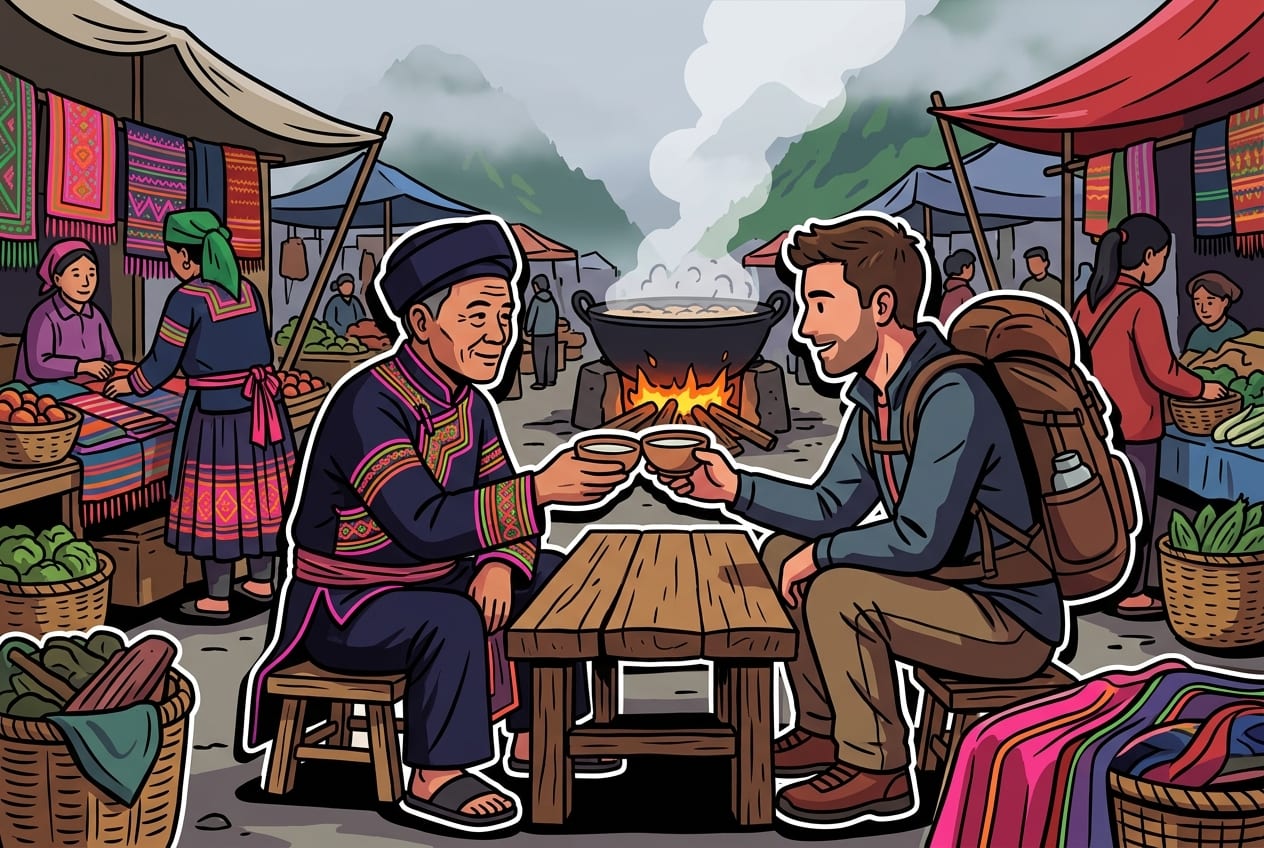
A Bowl of Corn Wine and a Handshake: Your Expat Survival Guide to Highland Market Etiquette in Ha Giang
Ready to brave the legendary Sunday markets of Ha Giang? Discover the essential rules of highland etiquette, from sharing a bowl of fiery corn wine to mastering the physical handshake ritual.
By Xinchao team
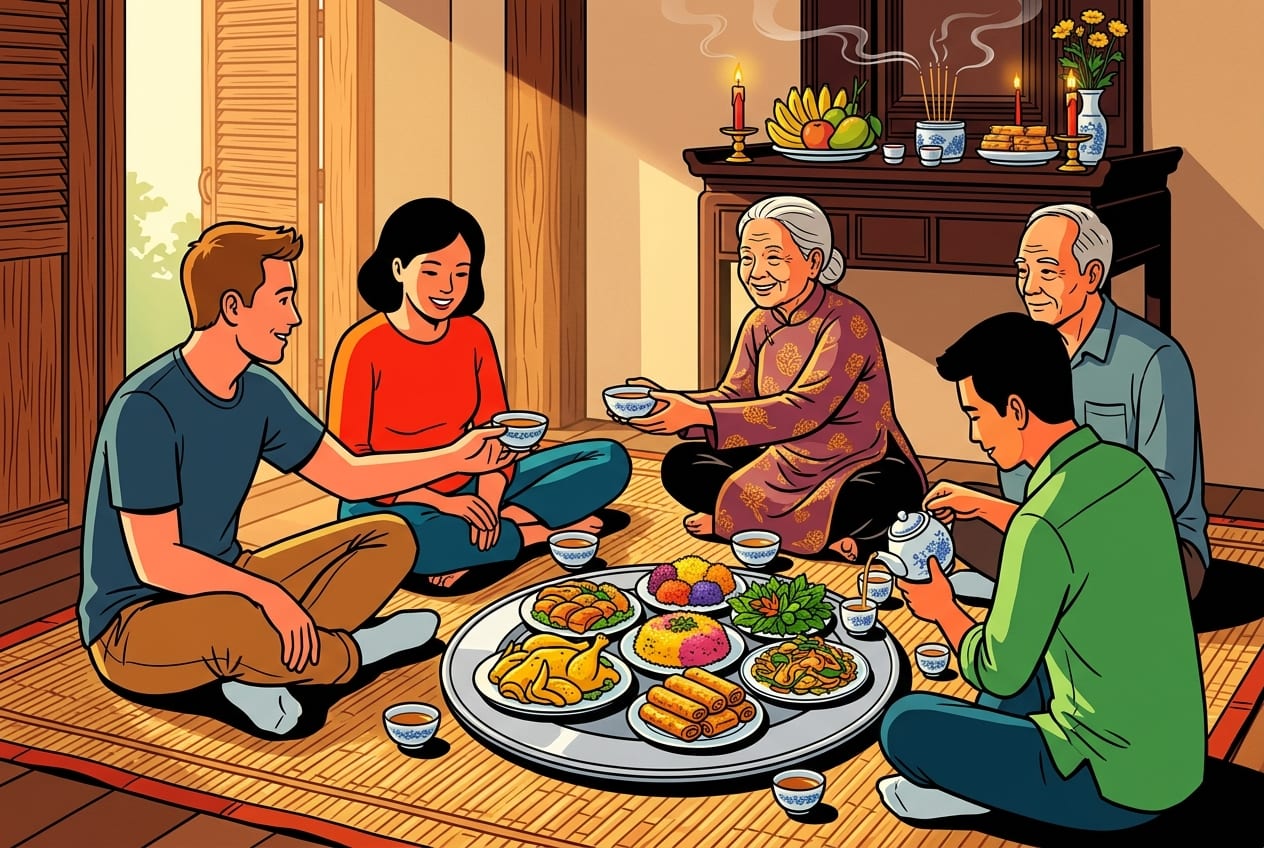
The Ultimate Honor: Your Expat Survival Guide to Attending a Vietnamese Death Anniversary (Đám Giỗ)
An invitation to a Vietnamese death anniversary (Đám Giỗ) is a milestone in any expat's journey. Learn how to pay respects at the altar, choose the right gift, and survive the legendary feast with confidence.

By Xinchao team
Spaceships on Highway 1: An Expat's Survival Guide to Vietnam's Neon-Drenched 'Cabin' Sleeper Buses
Hurtling down Vietnam's Highway 1, the modern cabin sleeper bus looks less like public transit and more like a rogue spaceship. Here is how to survive and thrive on your first overnight journey.