Mắm: Does the Mekong Delta's Secret Ingredient Smell Worse Than It Tastes? (Spoiler: It's Delicious!)
Dive into the Mekong Delta's boldest flavors! Unearth 'mắm' – fermented fish delicacies like Lẩu Mắm hotpot – and join a local culinary adventure in Vietnam's vibrant south.
Beyond Phở: The Mekong Delta's Secret Culinary Heartbeat
While many travelers flock to Vietnam dreaming of a steaming bowl of Phở or the crispy delight of Bún Chả, the true culinary soul of the Mekong Delta beats to a different, much bolder drum. Here, amidst the emerald rice paddies and winding waterways, you’ll discover a gastronomic world that is intensely local, deeply traditional, and utterly unforgettable. It’s a place where food isn't just sustenance; it's a story of survival, community, and the generous spirit of the Delta people. Forget what you think you know about Vietnamese food, because in the South, we have a secret weapon: mắm.
The Mekong Delta offers a unique culinary adventure centered around 'mắm', a family of pungent, fermented fish and shrimp pastes that are foundational to the region's cuisine, reflecting its history and the practical need for food preservation. These bold flavors are a symbol of local hospitality, promising a truly authentic taste of Southern Vietnam beyond the more internationally known dishes.
What Exactly is 'Mắm' and Why Does it Smell So... Unique?
'Mắm' refers to a diverse range of fermented seafood products, usually fish or shrimp, that are a cornerstone of Mekong Delta cooking. It emerged from necessity, a clever way for riverside communities to preserve their abundant catches before refrigeration. Over generations, this practical method evolved into an art form, creating a complex, umami-rich ingredient that defines the region’s distinctive flavor profile. Yes, for first-timers, the aroma can be... formidable. Locals often joke, 'smells like hell, tastes like heaven,' and there’s a profound truth to that playful exaggeration.
'Mắm' is a fermented fish or shrimp paste, born from the Mekong Delta's need to preserve its plentiful seafood, evolving into a crucial culinary ingredient. While its strong, pungent aroma can be challenging for newcomers, locals cherish its deep, savory flavor, often likening its initial smell to 'hell' but its taste to 'heaven'.
The fermentation process, which can take weeks or months, breaks down the proteins in the fish, creating a rich, savory depth that can’t be replicated. It’s not just about adding salt; it’s about carefully controlled conditions, sometimes with added rice powder or sugar, to develop distinct flavors and textures. Each type of mắm has its own character, from the dark, intensely savory mắm cá lóc (snakehead fish mắm) to the pinkish, milder mắm ruốc (fermented shrimp paste). It's an ingredient that demands an open mind, but promises a truly rewarding culinary experience.
Diving Spoon-First: Iconic Mắm Dishes You Must Try
To truly appreciate mắm, you need to experience it in its most celebrated forms. These dishes are not just meals; they are communal rituals, shared with family and friends, embodying the warmth and generosity of the Mekong people. They are a symphony of flavors and textures, where the pungent mắm broth serves as the conductor, orchestrating a vibrant ensemble of fresh ingredients.
The best way to experience 'mắm' is through its most iconic dishes, especially 'Lẩu Mắm' and 'Bún Mắm'. These are more than just meals; they are communal dining experiences that highlight the depth and complexity of the fermented seafood, blending it with an abundance of fresh local ingredients.
Lẩu Mắm: The Fermented Fish Hotpot Extravaganza
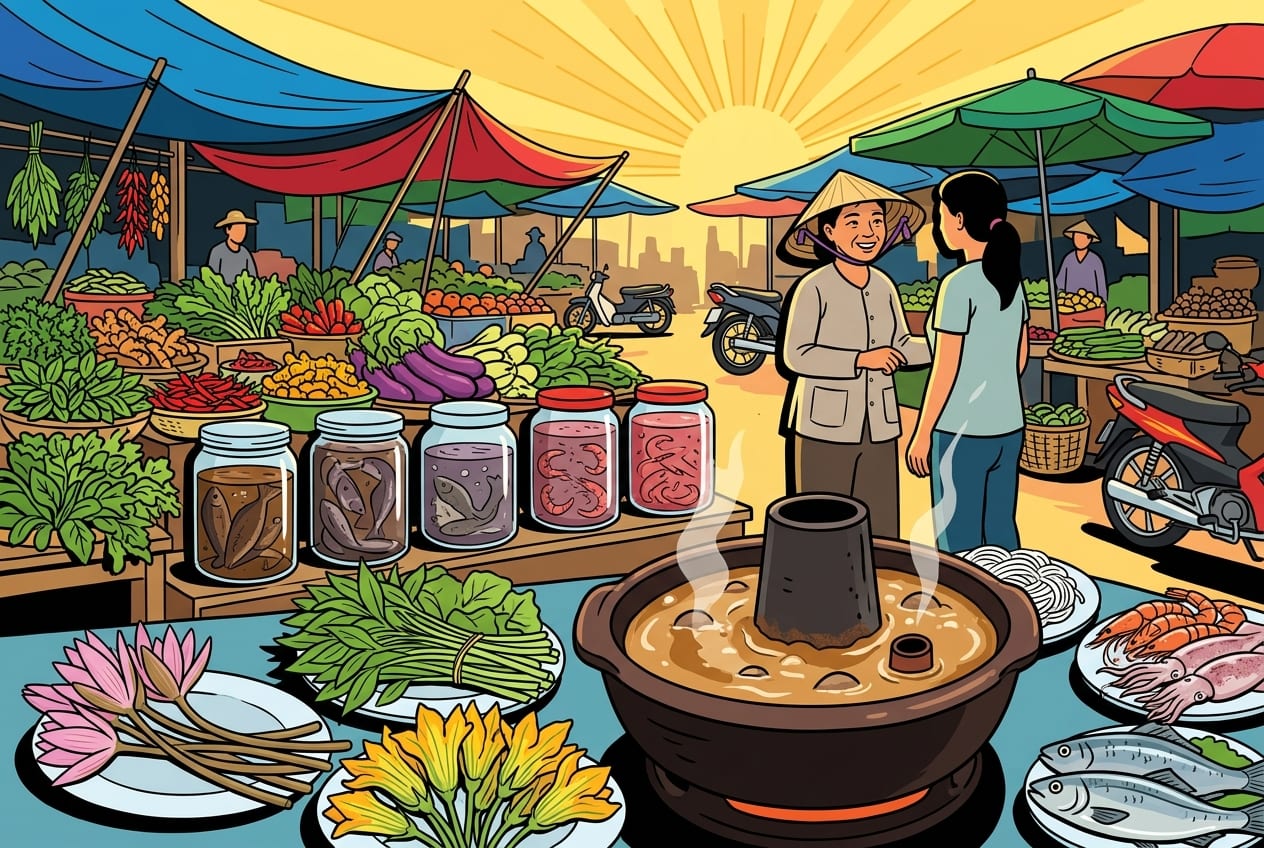
Lẩu Mắm is arguably the king of Mekong Delta cuisine. Imagine a steaming hotpot, often bubbling over a small charcoal stove, filled with a rich, fawn-colored broth. This broth is the heart and soul of the dish, made by simmering mắm (usually a blend of several types of fermented fish) with pork bones, lemongrass, and chili. The result is an incredibly aromatic, savory, slightly sweet, and spicy concoction that is deeply umami. It’s a dish that brings everyone together, literally gathered around the pot, dipping and sharing.
'Lẩu Mắm' is the signature dish of the Mekong Delta: a vibrant hotpot featuring a rich, umami broth made from fermented fish, pork bones, lemongrass, and chili. This communal dish is served bubbling over a stove, inviting diners to cook their own selection of fresh seafood, meats, and a wide array of local vegetables in its flavorful depths.
Surrounding the Lẩu Mắm hotpot is an impressive 'jungle' of fresh ingredients. We're talking about an entire garden on your table: delicate water lily stems, crisp morning glory, vibrant pumpkin flowers, various types of leafy greens, banana blossom, and bitter herbs. Alongside these, you’ll find platters of succulent shrimp, tender squid, slices of pork belly, and various river fish like basa or snakehead. Diners add these ingredients into the simmering broth, cooking them to their liking, then scoop them out with rice vermicelli noodles. Each bite is an explosion of textures and flavors – the rich broth, the fresh crunch of vegetables, the tender seafood, all harmonizing beautifully.
Bún Mắm: The Fermented Fish Noodle Soup
If Lẩu Mắm is a feast for a group, Bún Mắm is its equally delicious, single-serving cousin. This noodle soup features the same distinctive mắm-based broth, but it's served as a complete dish in a bowl. You'll find thick rice vermicelli noodles (bún), often topped with shrimp, squid, slices of roasted pork, and sometimes a piece of flaky white fish. It’s typically garnished with fresh herbs, bean sprouts, and a squeeze of lime, offering a comforting and profoundly flavorful meal that’s perfect for any time of day.
'Bún Mắm' is the individual portion version of 'Lẩu Mắm', a hearty noodle soup featuring the same signature fermented fish broth. Served with thick rice vermicelli, it's typically topped with shrimp, squid, roasted pork, and sometimes fish, garnished generously with fresh herbs and a squeeze of lime for a complete and flavorful meal.
Chau Doc: Where Mắm Reigns Supreme
If you want to dive deep into the world of mắm, there’s one place you absolutely must visit: Chau Doc. Located in An Giang Province, near the Cambodian border, Chau Doc is famously known as the 'kingdom of pickled fish.' This vibrant city is a melting pot of cultures – Vietnamese, Cham, and Khmer – and their culinary traditions have intertwined to perfect the art of mắm making over centuries. It’s here that you’ll find the most diverse array and arguably the highest quality of mắm in all of Vietnam.
Chau Doc, in An Giang Province, is the undisputed 'kingdom of pickled fish' and the ultimate destination for 'mắm' enthusiasts. This culturally rich city, influenced by Vietnamese, Cham, and Khmer traditions, has perfected 'mắm' making over centuries, offering the most diverse and highest-quality fermented seafood products in Vietnam.
The heart of Chau Doc’s mắm scene is its bustling market. For the best experience, aim to arrive between 6:00 AM and 8:00 AM, when the market is at its most vibrant. The air hums with activity, the scent of fresh produce mingles with the distinct aroma of mắm, and vendors in their conical hats (nón lá) expertly display their wares. You’ll see endless jars of mắm in various shades – dark brown, murky purple, some covered with ground rice and sugar, others a vibrant pinkish-red (mắm ruốc). Don't be shy; ask to sample a tiny bit or simply marvel at the sheer variety. This isn't just a market; it's a living museum of culinary tradition.
Beyond buying mắm to take home (careful with the luggage!), you can enjoy incredibly affordable and authentic street food here. A bowl of Bún Cá (fish noodle soup, a close relative to Bún Mắm but often with a lighter broth) or Bún Mắm itself will typically set you back a mere 15,000 to 50,000 VND (roughly $0.60–$2.00 USD). These prices make it easy to try several dishes and discover your favorite local flavors. Don't be afraid to point at what looks good or ask for a recommendation – a smile and a little curiosity go a long way.
Your Own Mekong Culinary Adventure: From Market to Hotpot
For adventurous travelers eager to move beyond tasting and into doing, the Mekong Delta offers fantastic opportunities for immersive culinary experiences. Cities like Can Tho and Ben Tre, while not as mắm-focused as Chau Doc, are excellent hubs for local food tours and cooking classes that often incorporate visits to vibrant markets and hands-on preparation of traditional dishes.
To truly engage with Mekong Delta cuisine, consider joining a local culinary tour or cooking class in cities like Can Tho or Ben Tre. These immersive experiences often include market visits to select fresh ingredients, followed by hands-on sessions preparing traditional dishes, offering invaluable insights into local cooking techniques and cultural practices.
Many tours begin with a guided visit to a local market, where you'll learn about regional ingredients – not just mắm, but also exotic fruits, fresh river fish, and the incredible variety of herbs and vegetables. You’ll get to pick out ingredients for your cooking class, gaining a deeper understanding of where your food comes from. After the market, you’ll head to a local kitchen, often in a charming homestay or a dedicated cooking school, to learn how to prepare dishes like Bánh Xèo (savory pancakes), Gỏi Cuốn (fresh spring rolls), or even the complex Lẩu Mắm itself. These workshops, typically costing between $10–$25, offer incredible value and a memorable cultural exchange.
Don't underestimate the power of local recommendations. Strike up a conversation with your homestay host, a friendly vendor, or even your motorbike taxi driver. They often know the best, most authentic, and least touristy eateries – the ones where the flavors are truly genuine and the atmosphere is bustling with local life. These unassuming spots, often tucked away down narrow alleys, usually hold the most delicious secrets of the Delta.
Embracing the Aroma: Do's and Don'ts of Mắm Dining
Dining on mắm is more than just eating; it’s participating in a cultural experience. While Vietnamese dining is generally relaxed, understanding a few local customs can enhance your experience and show respect for your hosts and fellow diners. Embrace the communal spirit, and don't let the initial aroma deter you – the reward is truly delicious.
When enjoying 'mắm' dishes, embracing local dining customs enhances the experience. It's important to respect the communal nature of meals, particularly hotpot, by sharing and using shared utensils appropriately. Showing appreciation for the unique flavors, even if new, is always welcomed by local hosts.
Do
- Do embrace the communal spirit: Lẩu Mắm is meant for sharing. Dive in with enthusiasm!
- Do try a little bit of everything: The 'jungle' of herbs and various proteins are all part of the experience. Experiment with different combinations.
- Do use shared serving utensils: When dipping ingredients into a communal hotpot, use the provided serving chopsticks or spoons, not your personal eating utensils, especially if you double-dip.
- Do express appreciation: Even if the flavor is new to you, a simple 'ngon quá!' (very delicious!) will be warmly received.
- Do ask for recommendations: Locals love to share their favorite spots and dishes. It's a great way to discover hidden gems.
Don't
- Don't judge by the smell alone: Give mắm a chance! Its taste is far more nuanced and delicious than its initial aroma might suggest.
- Don't be afraid to get a little messy: Eating hotpot or noodle soup can be a lively affair. Don't worry about perfect table manners.
- Don't leave your chopsticks sticking upright in your rice bowl: This is considered bad luck and resembles incense sticks at an altar.
- Don't refuse an offer of food or drink too strongly: A polite 'Cảm ơn, tôi đã no rồi' (Thank you, I'm full) is usually sufficient, but sometimes a small taste is expected as a gesture of goodwill.
I'm sensitive to strong smells. Will I really enjoy Mắm dishes?
It's true, the aroma of mắm can be intense for those unfamiliar with it. However, the cooking process, especially in Lẩu Mắm or Bún Mắm, transforms this pungent ingredient into a deeply savory, umami-rich broth. Many travelers find that the 'smells like hell, tastes like heaven' saying holds true, as the delicious flavor often outweighs the initial strong scent once you take the first bite. Start with a small portion and keep an open mind – you might be pleasantly surprised!
What's the best way to eat Lẩu Mắm with all those ingredients?
Eating Lẩu Mắm is a fun, interactive experience! First, a central hotpot of the simmering mắm broth will be placed on your table. Around it, you'll find platters of raw ingredients: various fresh leafy greens, herbs, vegetables (like water lily stems, morning glory, bitter melon), slices of pork, shrimp, squid, and fish, plus rice vermicelli noodles. You use shared chopsticks or a ladle to add the raw ingredients into the hotpot to cook them. Once cooked, you scoop them into your personal bowl, add some rice vermicelli, and ladle in the rich broth. Mix and enjoy! Don't forget to try the accompanying dipping sauces.
Are there vegetarian or vegan options for Mắm dishes?
Authentic mắm dishes, by definition, rely on fermented fish or shrimp paste for their core flavor, making them inherently non-vegetarian. While some restaurants might offer vegetable-only hotpots, they would not contain the traditional mắm broth. However, the Mekong Delta has a vibrant array of other delicious vegetarian dishes, especially those based on fresh produce and coconut milk. You can always ask for 'món chay' (vegetarian dishes) at local eateries, but it's best to look for specialized vegetarian restaurants if you want to ensure no animal products are used.
Practise the words you just read
Vietnamese phrases for real situations, each with native audio in both accents.
Topics
Read more
Other posts from our Vietnamese learning blog.
By Xinchao team
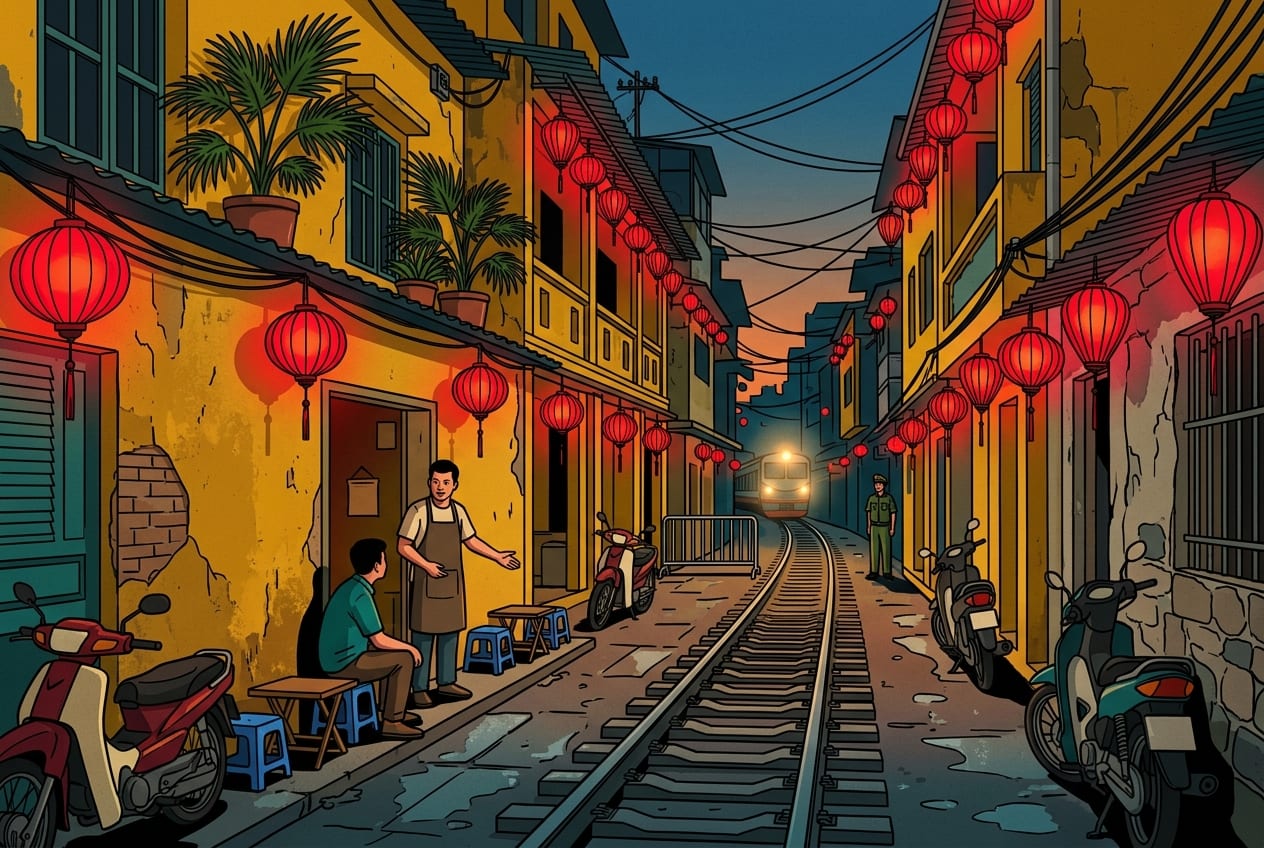
The Cat-and-Mouse Game of Hanoi's Train Street: Your 2026 Survival Guide to Visiting Safely (and Legally)
How do you navigate the guards, barricades, and narrow tracks of Hanoi's Train Street in 2026? Learn the insider rules to visit safely, legally, and respectfully.

By Xinchao team
Midnight at the Cemetery: Why Thousands of Vietnamese Pilgrims Flock to Cô Sáu under the Stars
Discover the deep history, essential etiquette, and practical steps for participating in Côn Đảo's famous midnight pilgrimage to the grave of Cô Sáu.
By Xinchao team
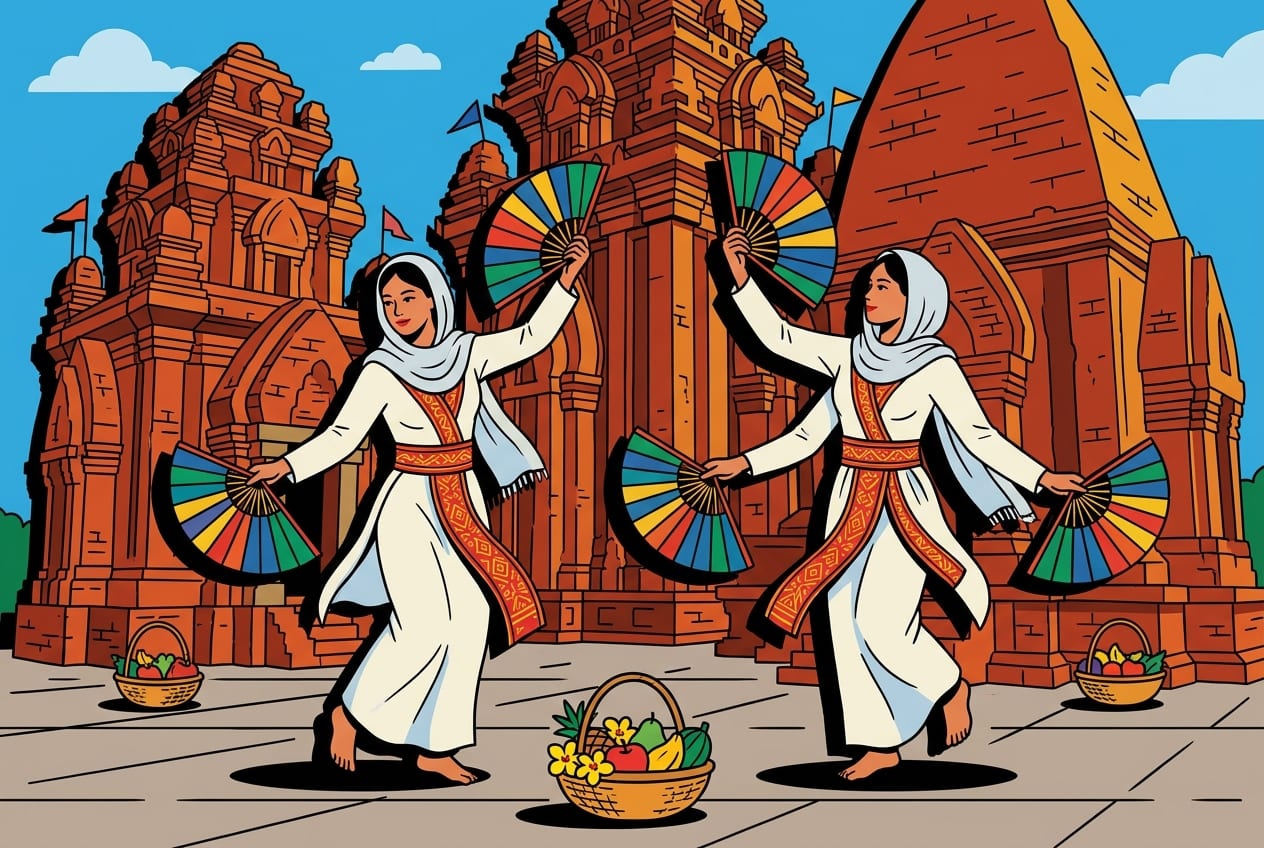
Beyond the Beach: Why You Must Experience Ninh Thuan’s Mystical Cham Kate Festival
Ready to go beyond the beach? Experience Ninh Thuan's mystical Cham Kate Festival at Po Klong Garai. Learn the deep cultural meanings, crucial etiquette, and expert survival tips for expats.