Hanoi: Where Ancient Kilns Glow and LED Dragons Roar?
Discover Hanoi's soul: from the timeless artistry of Bat Trang and Van Phuc craft villages to the dazzling, modern 'Garden of Light' festival. Experience Vietnam's vibrant heritage.
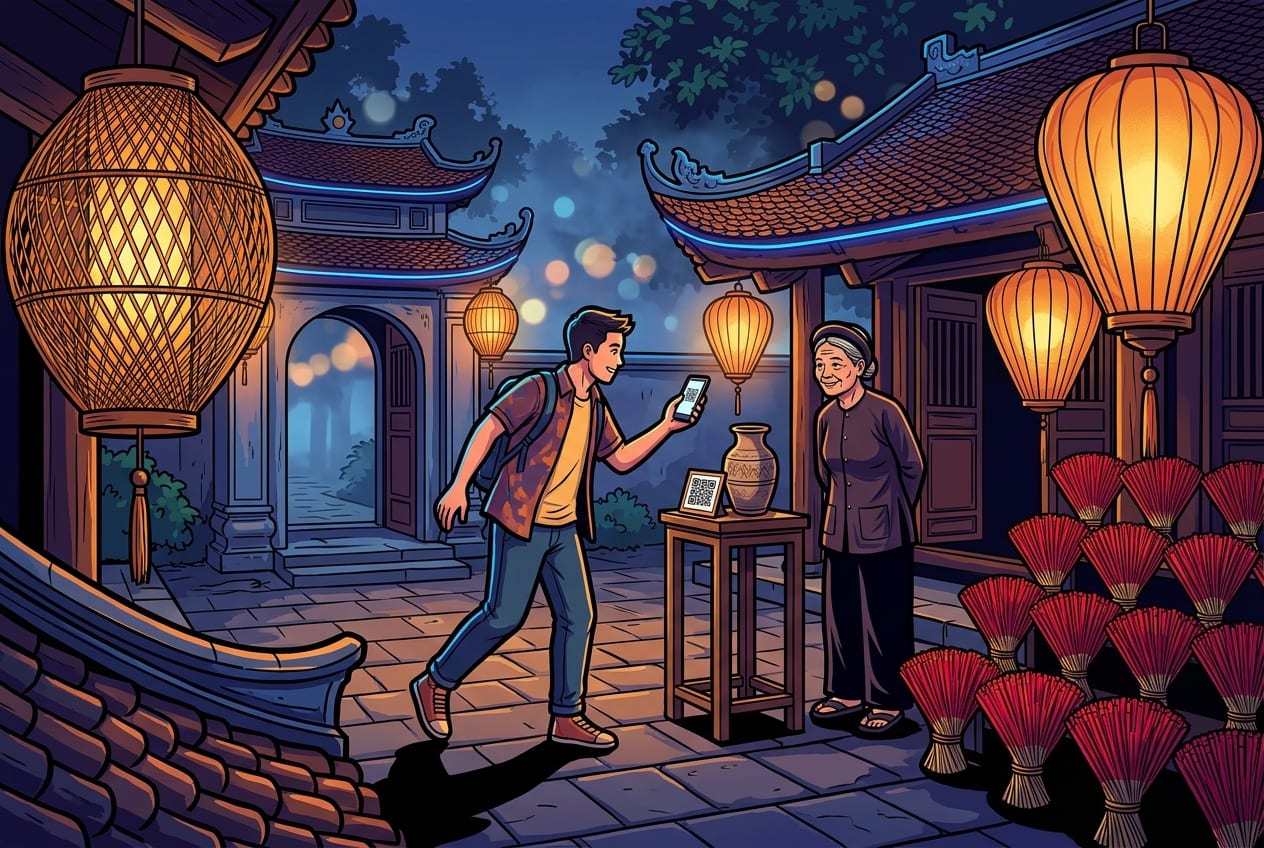
Beyond Souvenirs: Unearthing Vietnam's Living Craft Villages
When you think of travel, often the first thing that comes to mind is collecting souvenirs. But what if you could collect stories, experiences, and a piece of history instead? Vietnam offers this chance, especially in its ancient craft villages near Hanoi. These aren't just shops; they're living museums where traditions are passed down through generations, and every item tells a tale of skill, patience, and family pride. It’s about seeing, feeling, and understanding the soul of Vietnamese artistry.
Visiting these villages means stepping back in time, away from the city's buzz. You'll witness artisans, often with hands weathered by years of work, creating beauty from simple materials. It's a profound connection to a heritage that continues to thrive, even as the country embraces modernity. This journey isn't just about what you buy; it's about the respect you gain for the craft and the people who keep it alive.
Bat Trang Ceramic Village: Where Clay Becomes Art
Bat Trang Ceramic Village, just 13 km southeast of Hanoi, is a historic hub where families have molded clay for centuries, producing everything from practical bowls to elaborate decorative pieces. Travelers can immerse themselves by observing master artisans, trying pottery workshops, and purchasing unique, handcrafted ceramics directly from their creators, supporting a cherished legacy.
Imagine the earthy scent of clay, the rhythmic hum of a potter's wheel, and the focused gaze of an artisan shaping a lump of mud into a delicate vase. This is Bat Trang, a village where the craft of ceramics is not just a business but a way of life, passed from parent to child for over 1,000 years. You'll see older men and women, perhaps in simple, practical clothes like a faded *áo bà ba*, their fingers expertly coaxing form from spinning clay. The air is filled with the promise of transformation.
Here, every piece of pottery carries a story. From the humble teacup to the grand dragon-adorned vase, each item is a testament to skill and tradition. What makes Bat Trang so special is the chance to truly connect. You can walk through narrow lanes, peek into open-fronted workshops, and see the kilns glowing orange in the background. Many workshops offer hands-on experiences, letting you try your hand at the potter's wheel for a small fee (typically 100,000-200,000 VND or $4-$8 USD). It's a wonderfully messy, rewarding experience that gives you a deeper appreciation for the craft.
When buying, you'll find a small, handcrafted bowl might start from 50,000 VND (approx. $2 USD), while larger, more elaborate vases can range from 500,000 VND to several million VND ($20-$100+ USD), depending on complexity and size. Remember, these aren't factory-made; they are unique works of art. Bargaining is common, but always do it with a smile and respect. A genuine interest in their work, even if language is a barrier, will be warmly received.
Do
- Do express genuine interest in the artisan's work and ask questions (even with gestures).
- Do bargain politely and with a smile; it's part of the culture but always be respectful.
- Do support the local economy by purchasing directly from the artisans.
- Do take photos if you ask permission first.
Don't
- Don't bargain aggressively or disrespectfully; it can be seen as offensive.
- Don't treat the workshops like a museum; remember these are people's homes and livelihoods.
- Don't expect every artisan to speak English, but a friendly attitude goes a long way.
Van Phuc Silk Village: Threads of Tradition
Van Phuc Silk Village, located about 10 km southwest of Hanoi, is celebrated for its soft, durable silk, a tradition spanning over a thousand years. Visitors can observe the intricate silk-making process from silkworm rearing to weaving, understanding the artistry behind each shimmering thread and supporting this treasured craft.
Just a short drive from the city, Van Phuc Silk Village offers a completely different sensory experience. Here, the air hums with the rhythmic clack of looms, and vibrant colors shimmer from bolts of silk in every imaginable hue. This village has been producing some of Vietnam's finest silk for over a thousand years, renowned for its softness, lightness, and durability.
Walking through Van Phuc, you can witness the entire silk production process: from silkworms munching on mulberry leaves (sometimes you can even see them!), to the delicate unwinding of cocoons, and finally, the intricate dance of threads on traditional looms. It's truly fascinating to see how raw materials are transformed into luxurious fabrics. The patterns often reflect traditional Vietnamese motifs – lotus flowers, dragons, and phoenixes – alongside more modern designs.
If you're looking for a special gift or a beautiful addition to your wardrobe, Van Phuc is the place. A high-quality silk scarf might cost 300,000-800,000 VND ($12-$32 USD), while custom-tailored garments can be significantly more, depending on the complexity and amount of fabric. Many local tailors in the village can create custom pieces for you, often with a quick turnaround. This is not just shopping; it's an investment in a piece of Vietnamese artistry and a tangible connection to its rich textile heritage.
Hanoi's 'Garden of Light': A Modern Urban Spectacle
Contrasting timeless craft traditions, Hanoi's recurring 'Garden of Light' festivals (Vườn Ánh Sáng) offer a dazzling modern spectacle. These large-scale light installations, typically held in expansive venues like Ecopark, transform open spaces into dreamscapes of thousands of LED lights, blending traditional Vietnamese motifs with contemporary designs for popular family outings and romantic spots.
While the craft villages represent Vietnam's enduring past, Hanoi also embraces its dynamic present and future. The 'Garden of Light' (Vườn Ánh Sáng) festival is a prime example of this modern energy. These aren't ancient traditions but vibrant, contemporary events that pop up in various locations around Hanoi, especially during festive seasons like Tet (Lunar New Year) or Christmas/New Year.
Imagine stepping into a fairytale. Thousands upon thousands of LED lights transform open spaces – often in venues like Ecopark, Royal City, or other exhibition centers – into dazzling dreamscapes. You'll see colossal light sculptures depicting everything from traditional Vietnamese symbols like majestic dragons, elegant lotus flowers, and graceful phoenixes, to abstract designs and whimsical tunnels of light. The dominant colors are electric blues, vibrant purples, fiery reds, and brilliant golds, creating an almost magical atmosphere.
For locals, the 'Garden of Light' is a hugely popular outing. It's where families go for an evening stroll, couples find a romantic backdrop for their dates, and everyone captures countless social media-worthy photos. It speaks to Hanoi's youthful spirit and its embrace of modern entertainment, showing how the city beautifully blends its deep-rooted traditions with a contemporary desire for spectacle and shared experiences. Ticket prices usually range from 100,000-200,000 VND ($4-$8 USD) per person, making it an accessible and enchanting evening activity.
Practical tips for visiting include going after sunset for the full, breathtaking effect. If possible, book tickets online to avoid queues, especially on weekends or public holidays. Be prepared for crowds, as these festivals are incredibly popular. The weather in Hanoi during festival seasons (late autumn to early spring) is often cool and dry, perfect for an evening walk through these illuminated wonders.
A Feast for the Senses: Contrasting Old and New
Experiencing Vietnam's craft villages and the 'Garden of Light' offers a profound sensory contrast, highlighting the nation's blend of ancient heritage and modern dynamism. The villages immerse visitors in earthy scents and rhythmic sounds of age-old crafts, while the light festival dazzles with electric colors and the excited buzz of contemporary urban entertainment, each showcasing a unique facet of Vietnamese culture.
The beauty of Vietnam lies in these contrasts. In the craft villages, your senses are grounded. You feel the cool, smooth clay, hear the gentle clack of looms, and smell the raw earth or the subtle scent of silk. The colors are natural – the browns and whites of unglazed pottery, the deep blues and greens of traditional glazes, the rich, earthy tones of natural dyes, or the shimmering, jewel-like hues of pure silk. The atmosphere is one of quiet dedication, a slow rhythm of creation that has endured for centuries. You might see an older woman, her face lined with stories, meticulously weaving a pattern, or a young apprentice learning the delicate balance of the potter's wheel. The surrounding environment is often rural, with narrow, sometimes dusty lanes, small family homes, and the occasional scooter zipping by, adding to the authentic, lived-in feel.
Then, you step into the 'Garden of Light,' and your senses are completely reawakened by a different kind of magic. The air buzzes with excitement, soft, ambient music, and the constant click of camera shutters. The dominant colors are electric – brilliant blues, pulsating purples, fiery reds, and dazzling golds, all emanating from countless LED bulbs. Light sculptures depict fantastical creatures, towering trees, and intricate tunnels, often with reflective surfaces amplifying the glow into an immersive, otherworldly experience. Visitors, typically dressed in modern casual wear, stroll through the illuminated pathways, their faces lit by the shifting colors, eyes wide with wonder. It's a place of collective joy, a modern ritual of shared awe and digital memory-making. This striking juxtaposition of the ancient and the ultra-modern creates a unique and unforgettable travel narrative, proving that Hanoi is a city that honors its past while vibrantly embracing its future.
FAQ: Navigating Hanoi's Cultural Gems
These frequently asked questions address common concerns for travelers exploring Hanoi's unique blend of traditional craft villages and modern light festivals. They offer practical advice on transportation, interaction, and how to best experience these distinct cultural offerings, ensuring a rewarding and respectful journey through Vietnam's heritage and contemporary life.
How do I get to Bat Trang or Van Phuc villages from central Hanoi?
Both villages are easily accessible. For Bat Trang, you can take a local bus (like bus number 47A from Long Bien bus station), a taxi, or a Grab (ride-hailing app). It's also a popular destination for scooter rentals if you're comfortable driving. Van Phuc is similarly reached by taxi, Grab, or a short scooter ride. Many travelers also opt for organized tours that combine a visit to one of these villages with other nearby attractions, offering convenience and often a guide.
Are the 'Garden of Light' festivals suitable for children?
Absolutely! The 'Garden of Light' festivals are incredibly popular with families and are very child-friendly. Children are often captivated by the bright, colorful light sculptures and the magical atmosphere. There's plenty of space to walk around, and the festive ambiance is perfect for a family outing. Just be prepared for crowds, especially on peak evenings, and keep an eye on little ones.
What's the best time of year to visit the craft villages and potentially see a 'Garden of Light' festival?
The cooler, drier months from October to April are generally the most comfortable for exploring Hanoi and its surroundings. This period also coincides with many local festivals, including Tet (Lunar New Year) and Christmas/New Year, which are prime times for 'Garden of Light' installations. Visiting craft villages is enjoyable year-round, but pleasant weather enhances the experience of walking around outdoors.
Embrace the Duality: Vietnam's Enduring Charm
Vietnam, particularly Hanoi, offers travelers a captivating journey through time, from ancient craft traditions to dazzling modern spectacles. Embracing this duality enriches your understanding of the nation's resilient spirit and creative evolution. These experiences move beyond mere sightseeing, inviting you to connect deeply with the culture, its people, and the vibrant stories woven into every handcrafted item and illuminated display.
From the quiet, earthy workshops of Bat Trang and Van Phuc, where centuries of skill are etched into every piece, to the electric, shimmering dreamscapes of the 'Garden of Light,' Hanoi presents a captivating paradox. It's a city that reveres its past while eagerly stepping into the future. By exploring both these facets, you don't just visit Vietnam; you truly *experience* it – understanding the enduring charm of its heritage and the vibrant pulse of its contemporary life. So, next time you plan a trip, look beyond the usual, and discover the living heart of Vietnam, where ancient kilns still glow and LED dragons roar with equal passion.
Topics
Read more
Other posts from our Vietnamese learning blog.
By XinChao AI
Flex Di San: Why Are Young Vietnamese Showing Off Their Ancestors' Skills?
Discover Vietnam's 'Flex Di San' movement, where youth revive traditional crafts. A guide for travelers to experience authentic artistry, from silk to pottery, and connect with living heritage.

By XinChao AI
Why Do Ha Giang's Mountains Keep the Best Star Secrets?
Escape city lights to Ha Giang, Vietnam's 'coolcation' hotspot for stargazing. Discover pristine night skies, local culture, and tips for your Milky Way adventure.
By XinChao AI
Zalo or Ghosted? Why You Can't Rent a Home or Buy Water in 2026 Without the 'Blue App'
In 2026 Vietnam, Zalo is no longer optional. Learn why this 'Blue App' is the key to renting apartments, ordering water, and making friends in a Zalo-first society.