Vietnam's Green Wave: Does Your Heart Know How to Say 'Cảm Ơn' to the Planet?
Discover Vietnam's 'Green Wave' of sustainable travel for 2026. Explore eco-lodges, community experiences, and local etiquette to travel with respect and make a real impact.
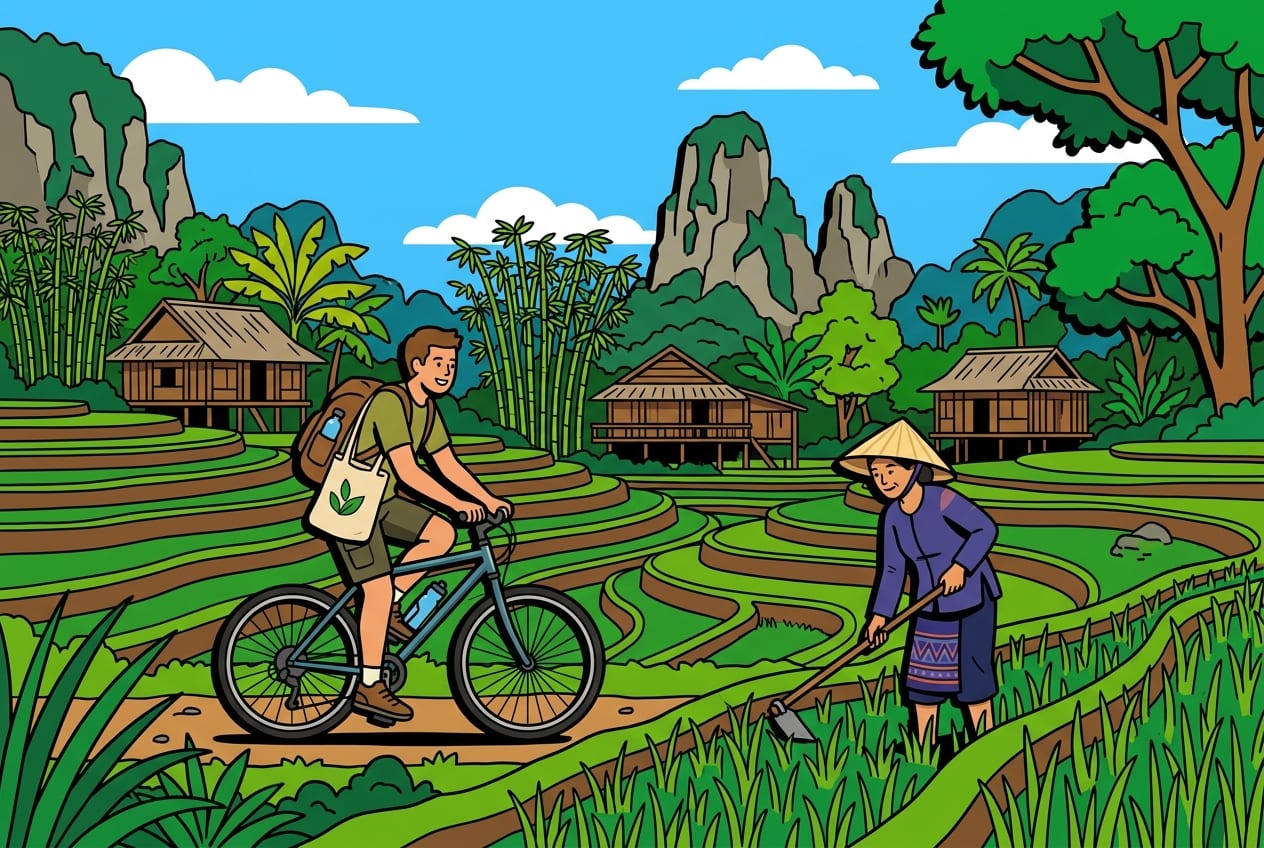
Riding Vietnam's Green Wave: More Than Just a Trend
Imagine a country where ancient traditions blend seamlessly with modern efforts to protect the very landscapes that define it. That's Vietnam's "Green Wave" – a powerful movement sweeping across the nation, inviting travelers like you to experience its beauty in a way that truly matters. This isn't just about pretty eco-resorts; it's a deep commitment, from bustling cities to remote ethnic villages, to preserve nature and culture for future generations. For 2026, Vietnam is ready to show you how to travel not just through its stunning scenery, but with it, hand in hand with the local people who call it home.
What's the "Green Wave" Anyway, and Why Does It Matter to Locals?
Vietnam's "Green Wave" signifies a national commitment to sustainable tourism, deeply rooted in local values of harmony with nature and community preservation. This movement matters to locals because it directly translates into tangible benefits: supporting family incomes, safeguarding traditional livelihoods, and protecting the rich cultural heritage of diverse ethnic groups from the impacts of mass tourism.
For many Vietnamese, especially those in rural areas or ethnic minority communities, the idea of living in harmony with nature isn't a new concept or a fancy buzzword. It's a way of life passed down through generations. They've always relied on the land and rivers for sustenance, respecting the balance of their environment. So, when we talk about the "Green Wave," it's not just about recycling bins and solar panels – though those are important! It's about extending that traditional respect for nature to how we welcome visitors. It's about ensuring that as more people discover Vietnam's beauty, that beauty isn't damaged, and the local people aren't left behind.
Sustainable tourism here means your travel dollars go directly to the families who host you, the artisans who craft beautiful souvenirs, and the local guides who share their stories. This helps them maintain their age-old traditions, from intricate weaving patterns to unique culinary skills and even native languages. It's a way for communities to thrive economically while holding onto their identity. When you choose a community-based tour or an eco-lodge that employs local staff, you're not just buying a service; you're investing in a family's future and helping to keep a cultural heritage alive. It's a win-win, where your adventure helps protect their home.
Understanding the concept of 'Cộng đồng' (community) is key to grasping why sustainable travel resonates so deeply here. In Vietnam, the individual is often seen as part of a larger whole – the family, the village, the nation. Actions that benefit the 'Cộng đồng' are highly valued. When travelers support sustainable practices, they're seen as contributing positively to the well-being of the entire community, not just a single business owner. This shared sense of responsibility fosters a welcoming environment for those who travel with a similar mindset.
Where to Catch the Green Wave: Eco-Spots and Authentic Stays
Vietnam's sustainable travel landscape is rich with options, from certified eco-accommodations to community-led initiatives across diverse regions. You'll find a growing number of places actively embracing green practices, ensuring your visit supports both the environment and local people, offering a truly immersive and responsible experience.
Ready to dive in? Vietnam offers a fantastic range of places where the Green Wave is in full swing. Up north, the misty mountains of Sapa are famous for their ethnic minority villages. Instead of big, impersonal hotels, you can choose a homestay experience, living with a local family and sharing their daily life. Places like Topas Ecolodge and Sapa Pine Hill Ecolodge are pioneering eco-friendly stays, offering stunning views without harming the environment. Imagine waking up to a panorama of terraced rice fields, knowing your stay directly benefits the local Hmong or Dao communities.
A bit further south, in Thanh Hoa province, Pu Luong Nature Reserve is a hidden gem. Eco-retreats here are serious about zero-waste. Think refilling stations for water, bamboo toothbrushes instead of plastic, and even solar-powered water heaters. It’s a chance to truly disconnect and appreciate nature, knowing your footprint is minimal. You can trek through lush forests, swim in cool rivers, and experience the quiet life of the Thai ethnic group.
In Central Vietnam, the charming ancient town of Hoi An is leading the "Hotel without plastic waste" initiative. Many hotels here encourage guests to use reusable water bottles and traditional woven basket bags for shopping, saying 'no' to single-use plastics. You can explore the lantern-lit streets, take a cooking class using local ingredients, or cycle through rice paddies to a local farm, all while supporting businesses committed to sustainability.
Down in the fertile Mekong Delta, sustainable tourism means getting up close and personal with local life. Instead of large group tours, opt for small, community-based tours in areas like Can Tho, Vinh Long, or Dong Thap. You might spend a day with a family making traditional sweets, learn to paddle a sampan through narrow canals, or visit a fruit orchard. These experiences offer direct engagement, ensuring your money goes straight into the hands of the people who live and work there, preserving their unique riverine culture.
For coastal conservation, the pristine Con Dao Islands are a must-visit. Here, eco-resorts like Six Senses Con Dao combine luxury with strong environmental commitments, including sea turtle conservation programs. Imagine helping release baby turtles into the ocean – an unforgettable, impactful experience. Even in bustling Ho Chi Minh City, boutique hotels like ANIMA – Vietnamese Contemporary Art Boutique Hotel champion sustainability by sourcing locally and celebrating Vietnamese art and culture, proving that eco-consciousness isn't just for remote areas.
Sailing Smoothly: Navigating Local Etiquette with a Green Heart
When interacting with locals in Vietnam, subtle social rules are paramount, reflecting a deep cultural respect that aligns perfectly with sustainable travel. Modest dress, particularly in religious or rural settings, and removing shoes and hats before entering homes or sacred sites, are key gestures that demonstrate understanding and appreciation for local customs and traditions.
Traveling sustainably in Vietnam isn't just about choosing eco-friendly options; it's also about showing respect for the local culture and people. This means understanding and following a few simple social rules. When you visit temples, pagodas, or even someone's home, remember to dress modestly – shoulders and knees should be covered. It's a sign of respect for sacred spaces and the traditional values of the community. Always take off your shoes and hat before entering a house or a place of worship. This small gesture shows you acknowledge and honor their customs.
A warm smile and a few basic Vietnamese phrases can open many doors and hearts. Locals truly appreciate the effort. Don't be shy to try! Avoid public displays of affection, as this is generally not common or appreciated in Vietnamese culture. Also, a crucial point for sustainable and ethical engagement: please refrain from giving money or gifts directly to children. While your intentions might be good, this can inadvertently create a culture of begging and dependency, which is harmful in the long run. Instead, if you wish to help, support local charities, purchase goods from artisans, or contribute to community projects that ensure sustainable benefits for everyone.
Do
- Do dress modestly, covering shoulders and knees, especially when visiting religious sites or rural villages.
- Do remove your shoes and hat before entering a home or a sacred place like a pagoda.
- Do try to learn a few basic Vietnamese phrases like 'Xin chào' (hello) and 'Cảm ơn' (thank you).
- Do engage with locals through small group tours, cooking classes, or traditional workshops.
- Do support local artisans and businesses by purchasing their goods directly.
Don't
- Don't give money or gifts directly to children, as it can create a culture of begging.
- Don't display public affection, as it's generally not customary in Vietnam.
- Don't touch someone's head (considered the most sacred part of the body).
- Don't point with your finger; use your whole hand instead.
- Don't interrupt conversations, especially with elders.
Your Eco-Travel Toolkit: Practical Tips for a Lighter Footprint
To truly embrace Vietnam's sustainable ethos, conscious choices are key, focusing on minimizing your environmental impact and maximizing positive community engagement. This means opting for eco-certified accommodations, utilizing public transport, and actively reducing waste by carrying reusable items, thereby contributing to a greener travel experience.
So, how can you put these green ideas into action on your trip? First, think about where you're staying. Seek out eco-certified hotels, lodges, or homestays. These places often prioritize renewable energy, waste recycling, and local sourcing. Many offer plastic-free amenities like ceramic dispensers for toiletries and bamboo toothbrushes, a small but impactful detail. Ask about their sustainability practices when booking – a simple question can encourage more businesses to adopt greener policies.
When you're moving around, consider your transport choices. For longer journeys, trains and buses are your friends – they have a much smaller carbon footprint than flying. In cities and smaller towns, ditch the car and rent a bicycle or an electric scooter. Many destinations are also introducing electric minibuses for eco-friendly exploration. Embrace "slow travel" by spending more time in fewer destinations. This allows for deeper immersion in the local culture, reduces travel-related emissions, and gives you a chance to truly connect with the rhythms of a place, rather than just rushing through a checklist of sights.
Minimizing waste is crucial. This is where your reusable water bottle becomes your best travel companion! Vietnam is seeing a growing number of refill stations, especially in eco-conscious areas and major tourist spots. Always carry a cloth tote bag for shopping and politely refuse single-use plastics, including straws (many places offer bamboo or metal alternatives if you need one). If you love street food – and who doesn't in Vietnam? – consider carrying a collapsible bowl and reusable cutlery. This lets you enjoy delicious local dishes without generating a pile of plastic waste, a small act that makes a big difference.
Finally, engage authentically with communities. Choose small group tours, which often have less impact and allow for more meaningful interactions. Hire local guides who can offer genuine insights into their culture and environment. Participate in traditional workshops – whether it's a cooking class, indigo dyeing with an ethnic minority group, or even helping with a rice harvest. Staying in homestays with ethnic minority families offers an unparalleled cultural exchange, giving you a window into their daily lives and traditions. Always respect nature and wildlife: stick to marked trails, avoid buying products made from endangered animals, and support tours with clear conservation commitments. You might even find opportunities to join local conservation efforts, like beach cleanups or sea turtle protection programs, leaving Vietnam better than you found it.
I want to stay in a homestay with an ethnic minority family. How can I ensure I'm being respectful and truly helping the community?
When choosing an ethnic minority homestay, prioritize those organized directly by the community or through reputable local cooperatives, ensuring profits stay local. Always ask about cultural norms, such as dress codes or mealtime etiquette, and respect their traditions. Offer to help with daily tasks if appropriate, and engage in conversations to learn about their way of life. Avoid taking unsolicited photos, especially of children, and always ask for permission before photographing anyone. Your genuine interest and respect are the most valuable contributions.
Many places offer 'local experiences.' How can I tell if a tour is genuinely sustainable and community-focused, rather than just a tourist trap?
Look for tours that explicitly mention direct community benefits, local guides, and small group sizes. Check if they have certifications or partnerships with local NGOs or government-backed sustainable tourism initiatives. Genuine experiences often involve traditional activities like cooking classes, craft workshops, or farming, directly engaging with families rather than just observing. Read reviews focusing on cultural interaction and local impact, and be wary of overly cheap tours that might cut corners on ethical practices.
I've heard about 'refill stations' for water bottles. Are they easy to find in Vietnam, especially outside major cities?
Refill stations are becoming increasingly common in Vietnam, especially in major tourist hubs like Hanoi, Ho Chi Minh City, Hoi An, and eco-conscious destinations like Pu Luong. Many eco-lodges, cafes, and even some regular hotels are offering them. While they might be less frequent in very remote, off-the-beaten-path areas, it's always worth asking your accommodation or local cafes. Carrying a water filter or purification tablets can also be a good backup for these instances.
Embracing Vietnam's Green Heart: More Than Just a Trip
Traveling Vietnam's "Green Wave" means choosing adventures that deepen your connection to its stunning landscapes and vibrant cultures, ensuring your journey leaves a positive legacy. By making conscious choices, from eco-lodges to local transport and waste reduction, you directly contribute to preserving this beautiful nation's heritage for generations to come, transforming your trip into a meaningful exchange.
So, as you plan your 2026 adventure to Vietnam, remember that you have the power to make a difference. Every conscious choice you make – from the homestay you pick to the reusable bottle in your hand – contributes to this incredible country's "Green Wave." It's an opportunity to not just see Vietnam, but to truly experience it, to connect with its people and its planet in a way that resonates long after you've returned home. This isn't just about ticking off sights; it's about traveling with heart, learning, and leaving a positive footprint. Are you ready to say 'Cảm ơn' to Vietnam in the greenest way possible?
Practise the words you just read
Vietnamese phrases for real situations, each with native audio in both accents.
Topics
Read more
Other posts from our Vietnamese learning blog.
By Xinchao team
Entering the Red Kingdom: An Expat's Guide to Navigating Vĩnh Long’s Majestic Mang Thít Brick Kilns
Discover the majestic Mang Thít brick kilns of Vĩnh Long. This comprehensive expat guide covers boat tours, scooter routes, local etiquette, and the rich cultural history of the Mekong Delta's 'Red Kingdom'.
By Xinchao team
Alleyway Symphonies: Can You Decode Vietnam's Hilarious Street Vendor Cries?
What are those loud megaphone sounds in Vietnam's alleys? Learn to decode Vietnamese street vendor cries (tiếng rao) and order food like a local expat.

By Xinchao team
Duck! Your Expat Survival Guide to Catching Flying Rice at Vietnam's Chaotic 'Cơm Niêu Đập' Restaurants
Ready for dinner and a show? Discover how to navigate Vietnam's chaotic flying clay pot rice restaurants without taking a crispy projectile to the face.